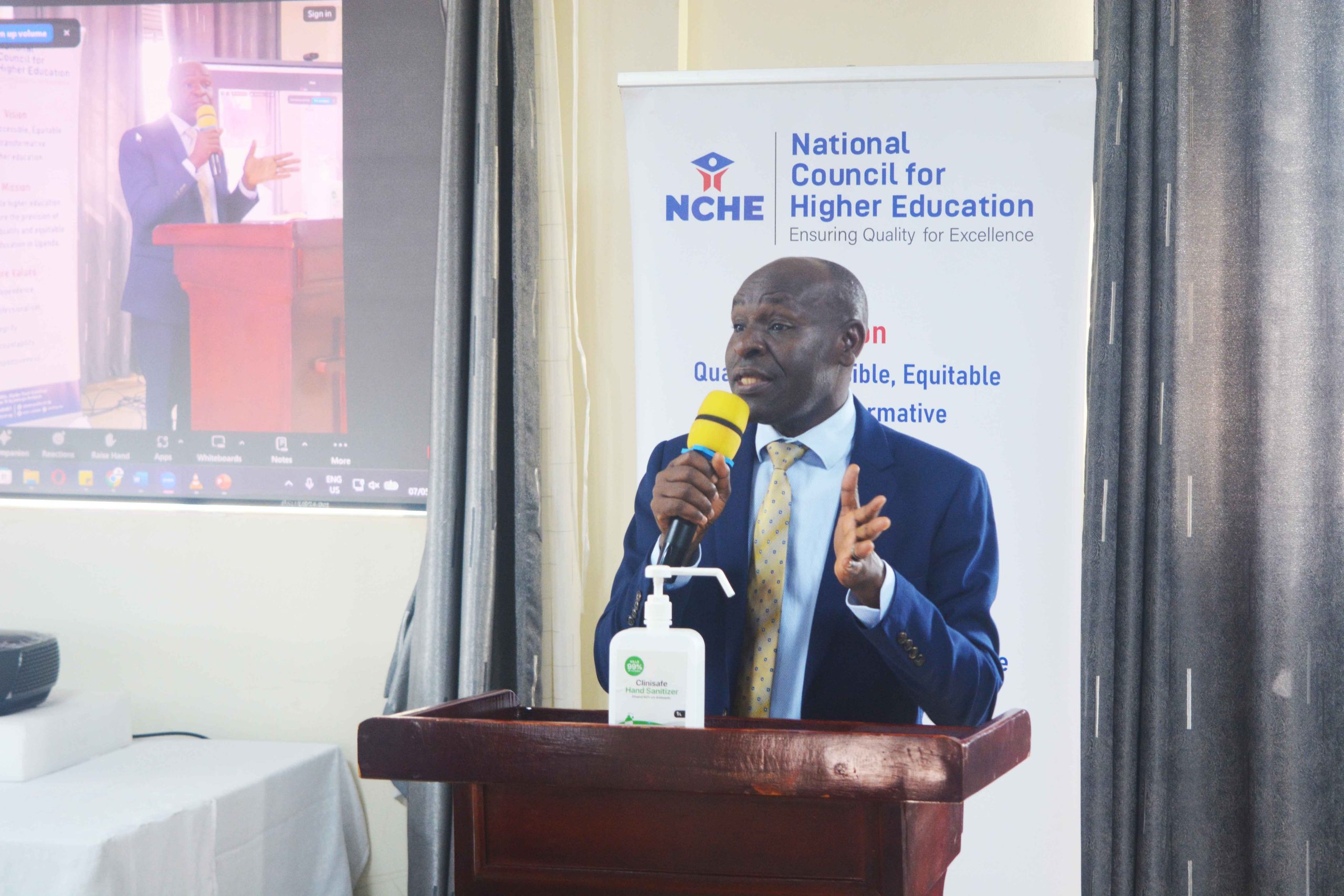
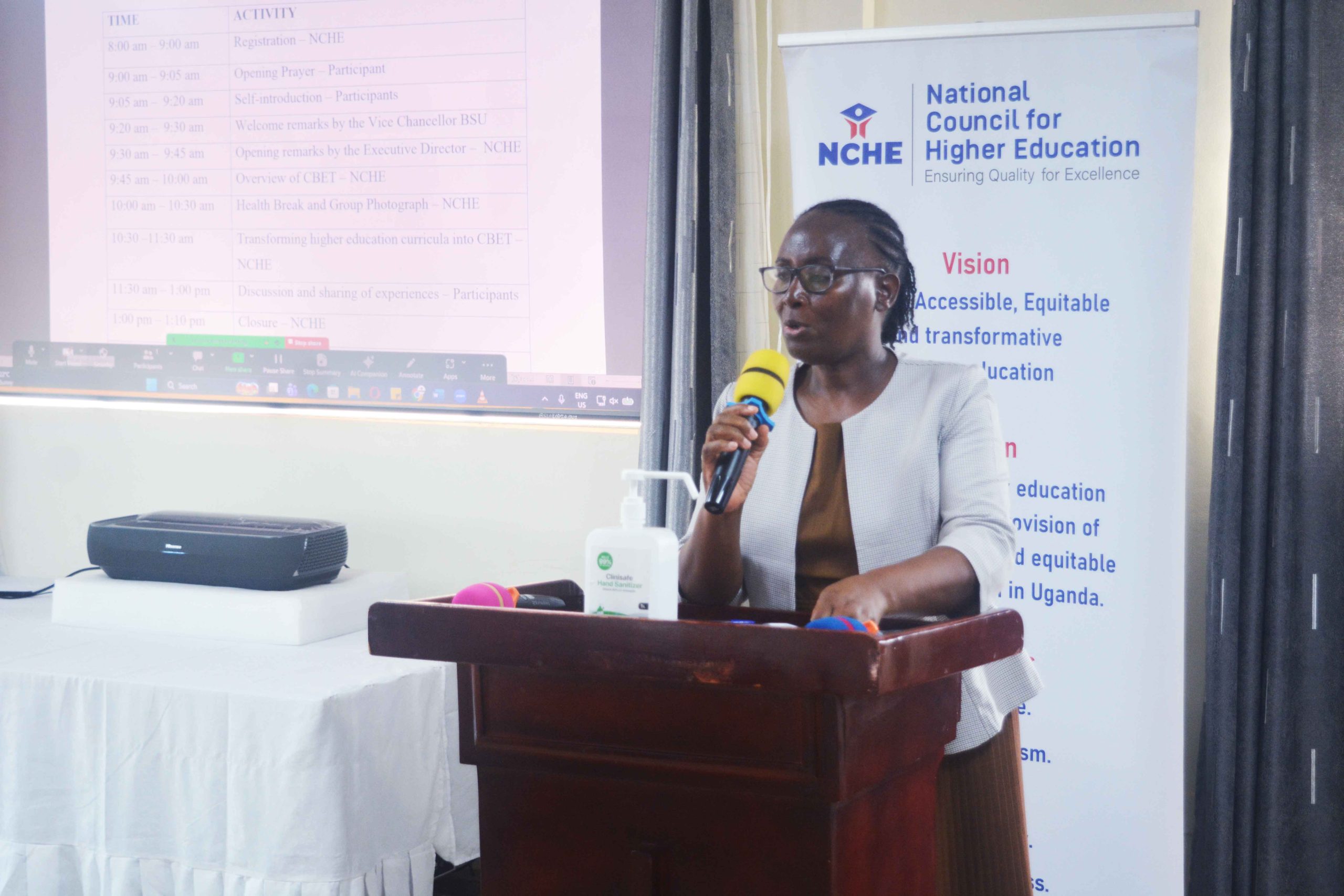
Bishop Stuart University (BSU) has today, 7th May 2026, hosted the National Council for Higher Education (NCHE) Regional Training Workshop on the implementation of Competence-Based Education and Training (CBET) in Higher Education Institutions (HEIs).
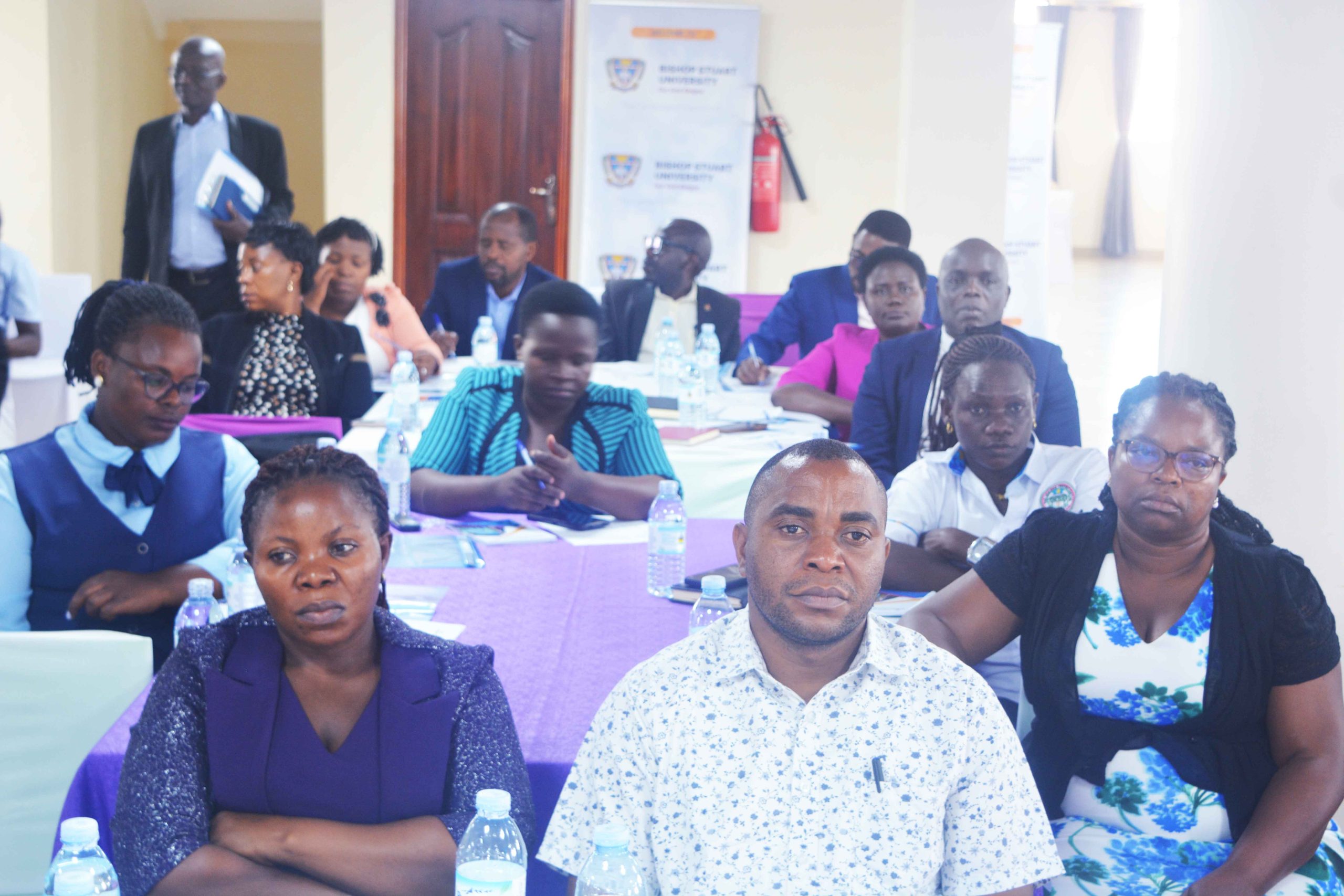
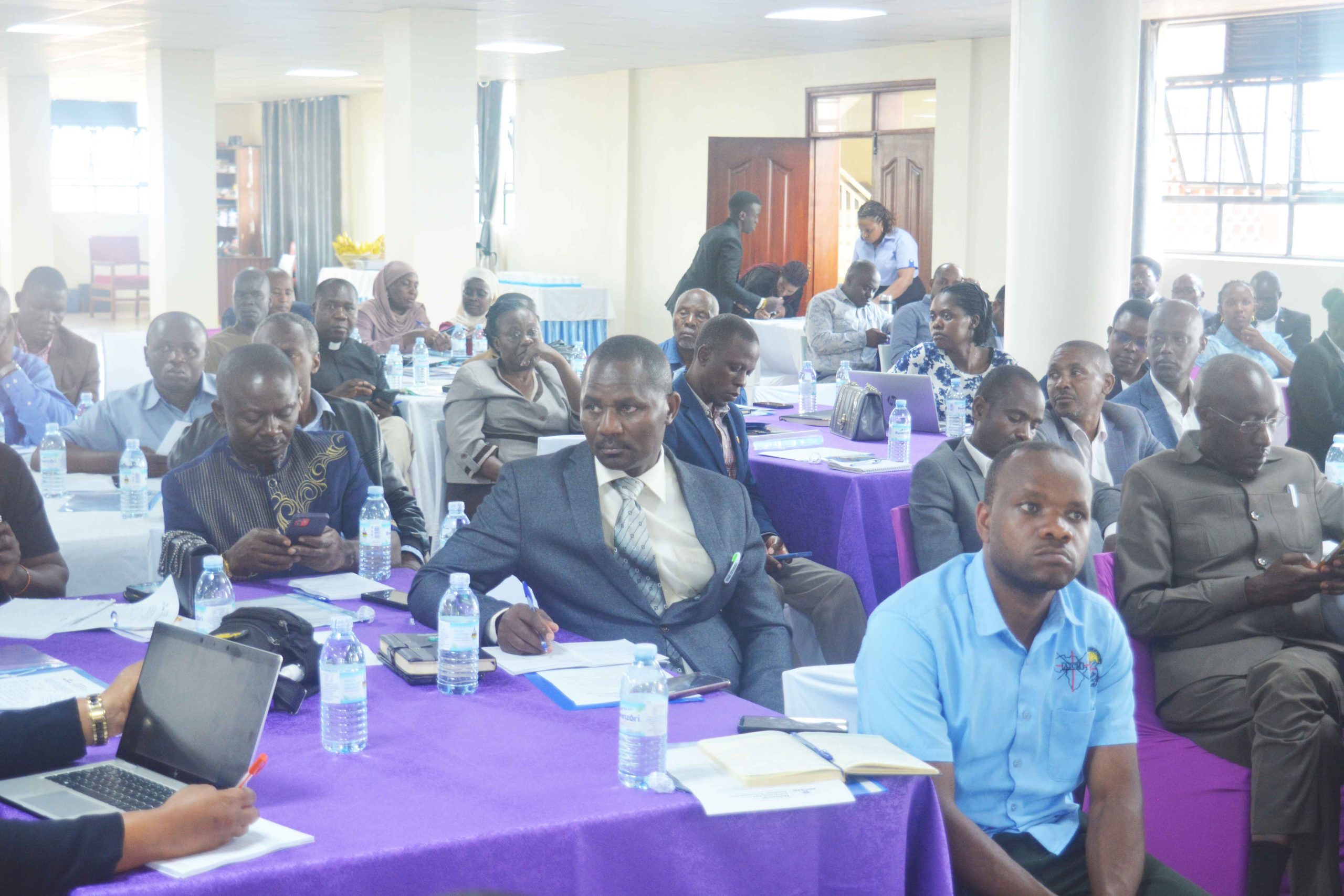
The workshop, held at the University’s main campus in the Z.C.K. Mungonya Library facility, has brought together university Vice-Chancellors, Deputy Vice-Chancellors, Academic Registrars, College Principals, Faculty Deans, Heads of Departments, curriculum developers and academic staff from over 20 HEIs across Uganda. Representatives from the Uganda National Institute for Teacher Education (UNITE) are also participating in the engagement.
The regional workshop seeks to strengthen curriculum design, delivery, assessment and quality assurance in HEIs in line with Uganda’s ongoing competence-based education reforms.
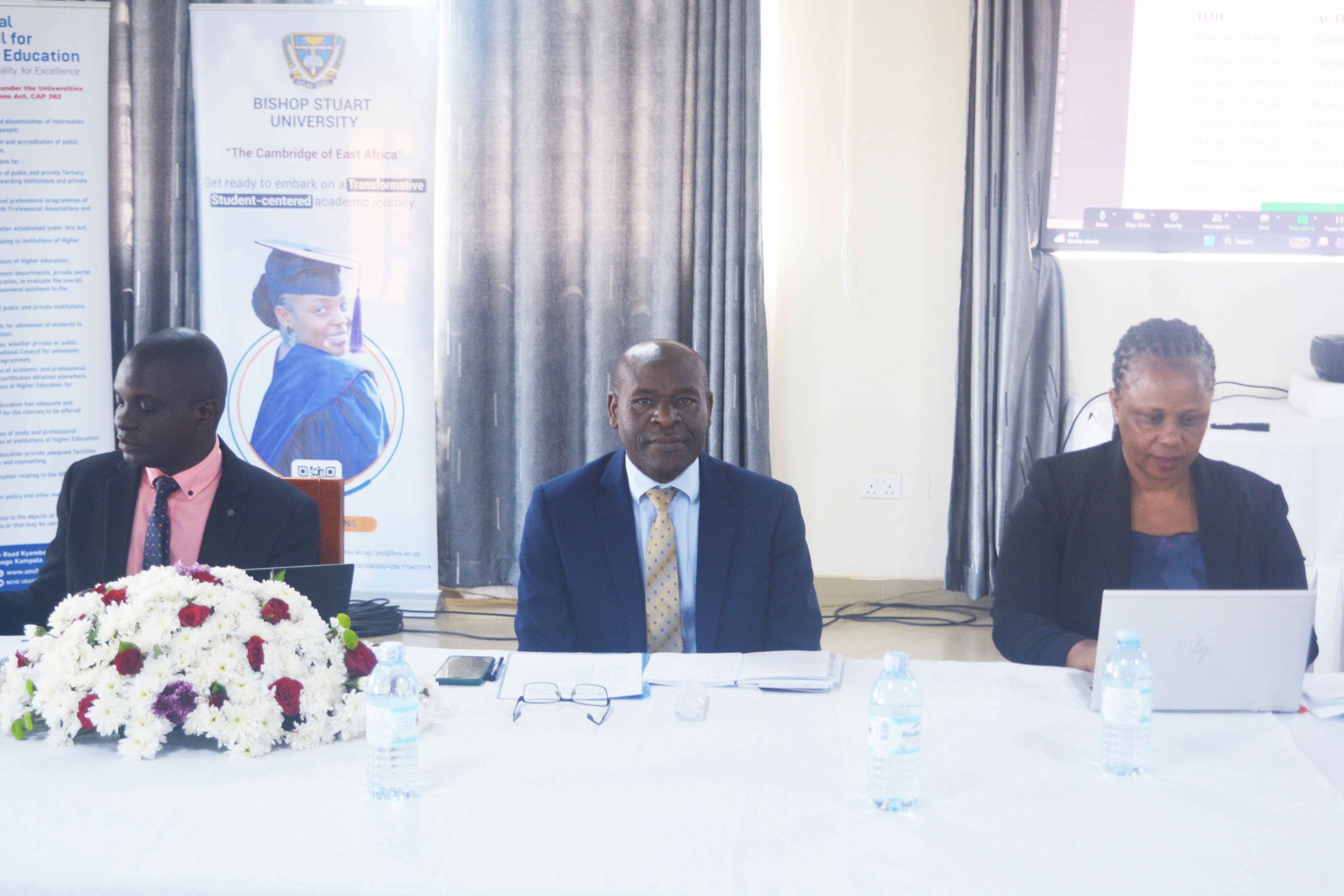
Speaking during the opening session, Prof. John F. Mugisha, the Vice-Chancellor of BSU, expressed gratitude to NCHE for selecting BSU to host the important regional engagement. He emphasized the relevance of competence-based education in transforming higher education through practical learning and innovations. Prof. Mugisha noted that competence-based training equips learners with practical competencies alongside theoretical knowledge, enabling them to co-create solutions and add value to themselves, their families, communities and the nation.
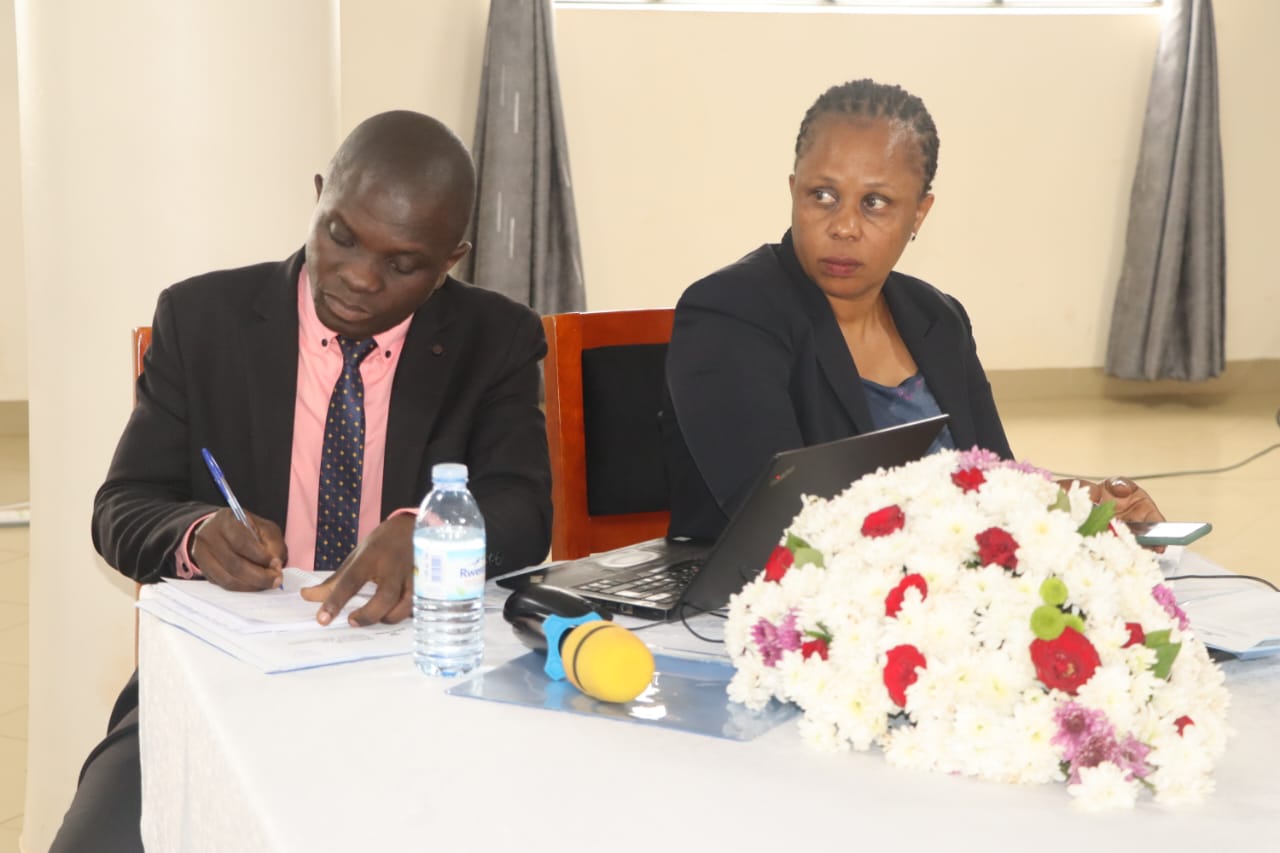
The Executive Director of NCHE, Prof. Mary Okwakol, commended BSU for hosting the workshop and appreciated the commitment demonstrated by participating institutions toward improving the quality, relevance and responsiveness of higher education in Uganda. She stressed the importance of continued collaboration among universities, regulators, employers and other stakeholders to ensure that academic programmes remain responsive to national development priorities and global demands.
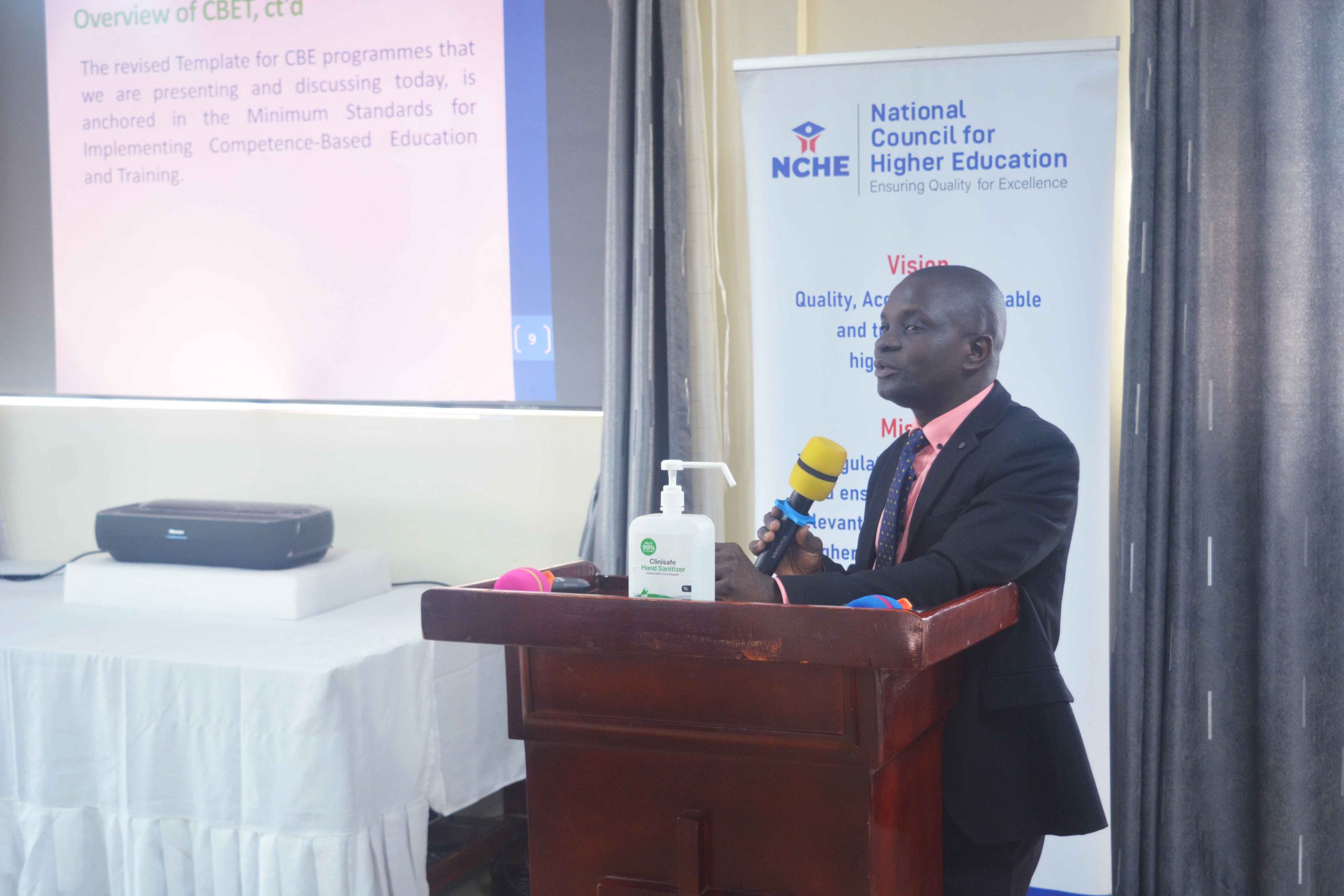
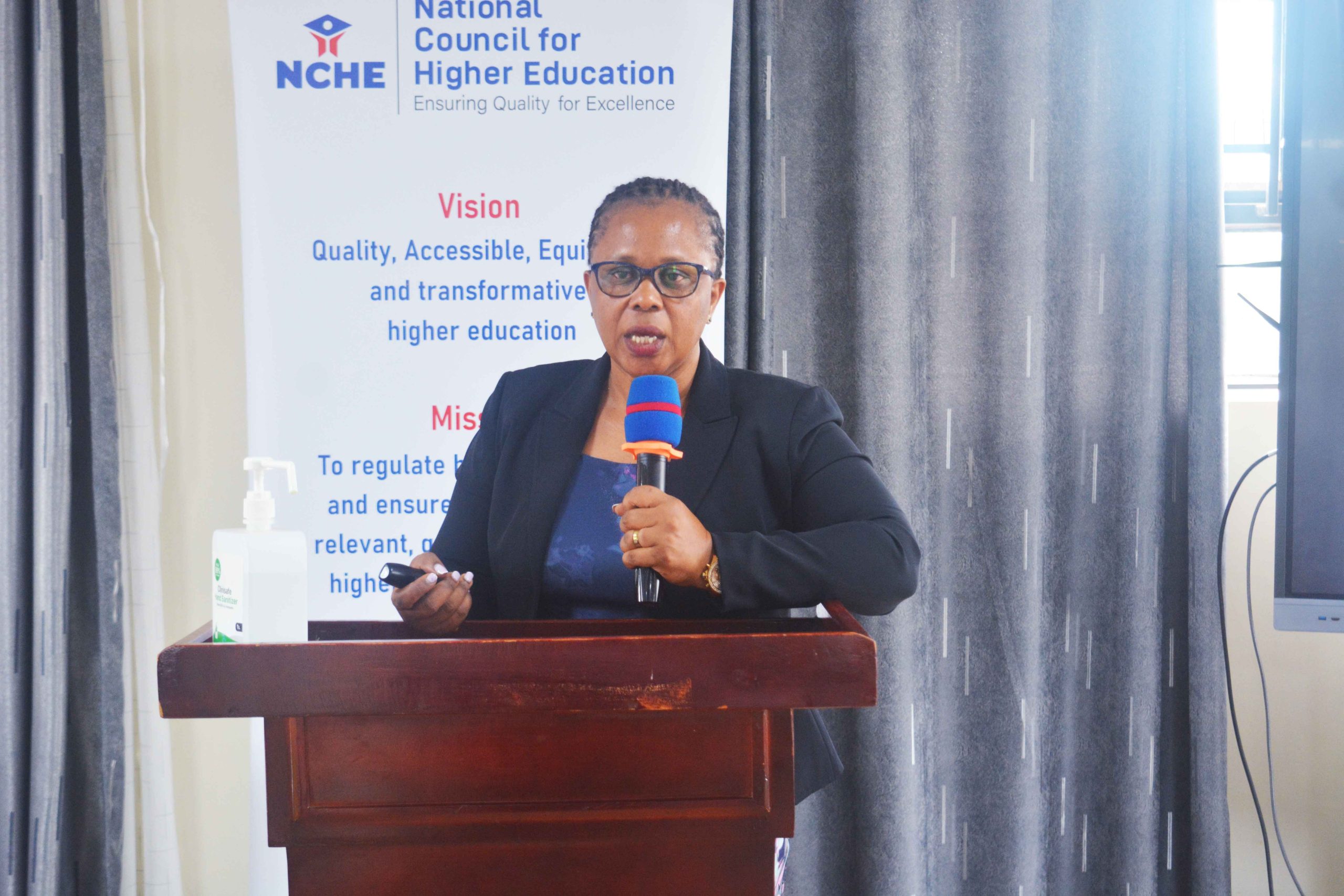
Dr. Ovia Kyatuha Mwisaka, Higher Education Officer for Programme Accreditation at NCHE, urged institutions to strengthen their capacity to implement Competence-Based Education and Training effectively. She emphasized the need for alignment between academic programmes, the Uganda Higher Education Qualifications Framework, labor market expectations and societal needs. Dr. Mwisika further stressed the importance of continuous training and curriculum review to ensure that learners and graduates acquire practical competencies, innovation skills, critical thinking abilities and employability skills.
According to NCHE, the Ministry of Education and Sports directed all HEIs to ensure that academic programmes intended for first-year student intake beginning in the 2027/2028 Academic Year are fully aligned with competence-based learning approaches. In response, NCHE developed Minimum Standards for Implementing Competence-Based Education and Training to guide institutions during the transition.
The ongoing workshop at BSU has attracted over 120 participants from institutions across the Western Region. Discussions and training sessions are focusing on curriculum review, learner-centered teaching methodologies, assessment strategies and alignment of academic programmes with national and international best practices.
Participants at the workshop noted that the shift towards competence-based education is expected to produce graduates who are innovative, practical, employable and capable of solving real-world challenges within their communities and workplaces.