21st November 2025.
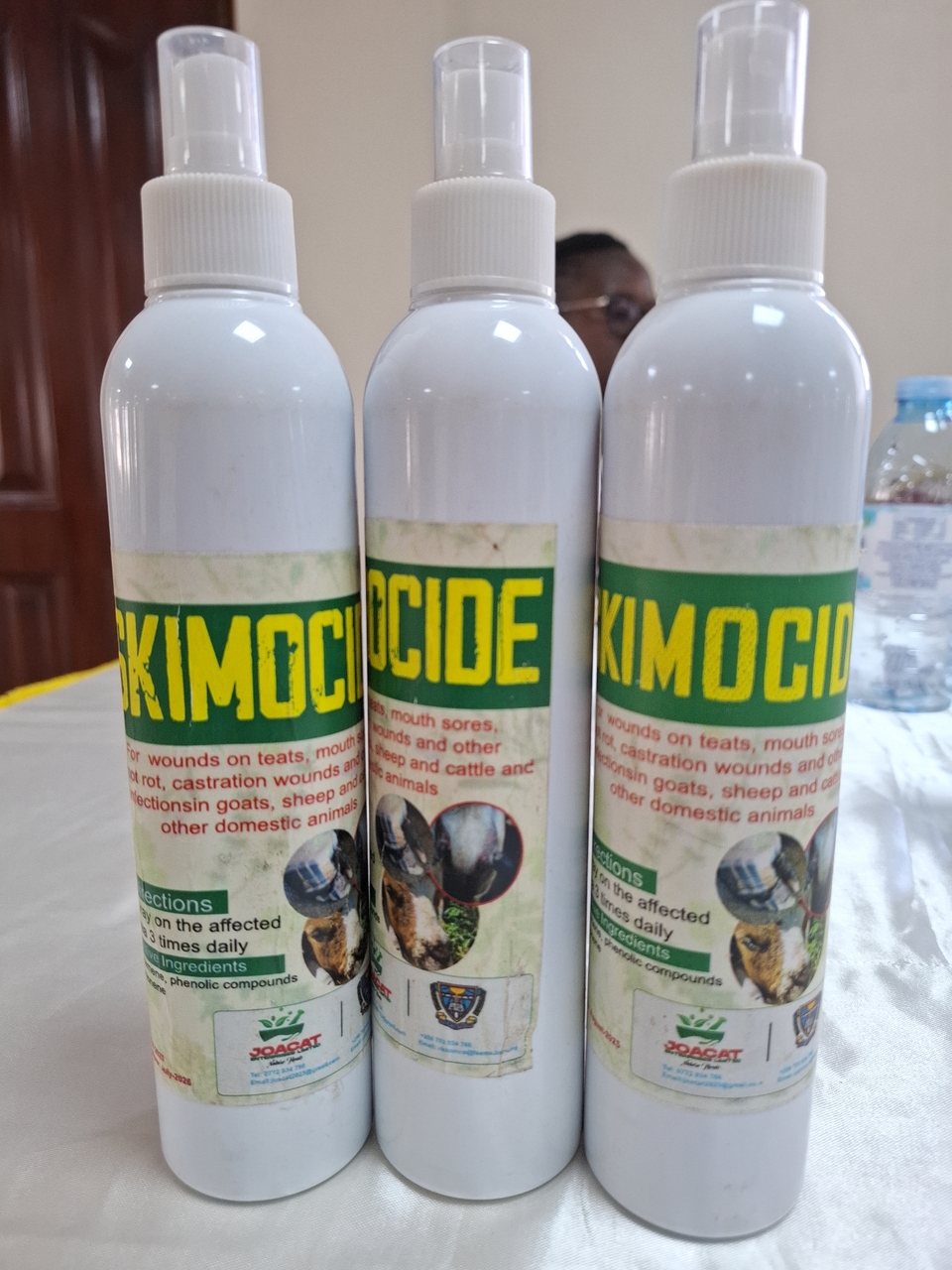
Bishop Stuart University has launched the AWASH Project that introduces an antibiotic herbal drug formulated to treat wounds in domestic animals, especially those suffering from Foot and Mouth Disease (FMD) in the cattle corridor and other related conditions.
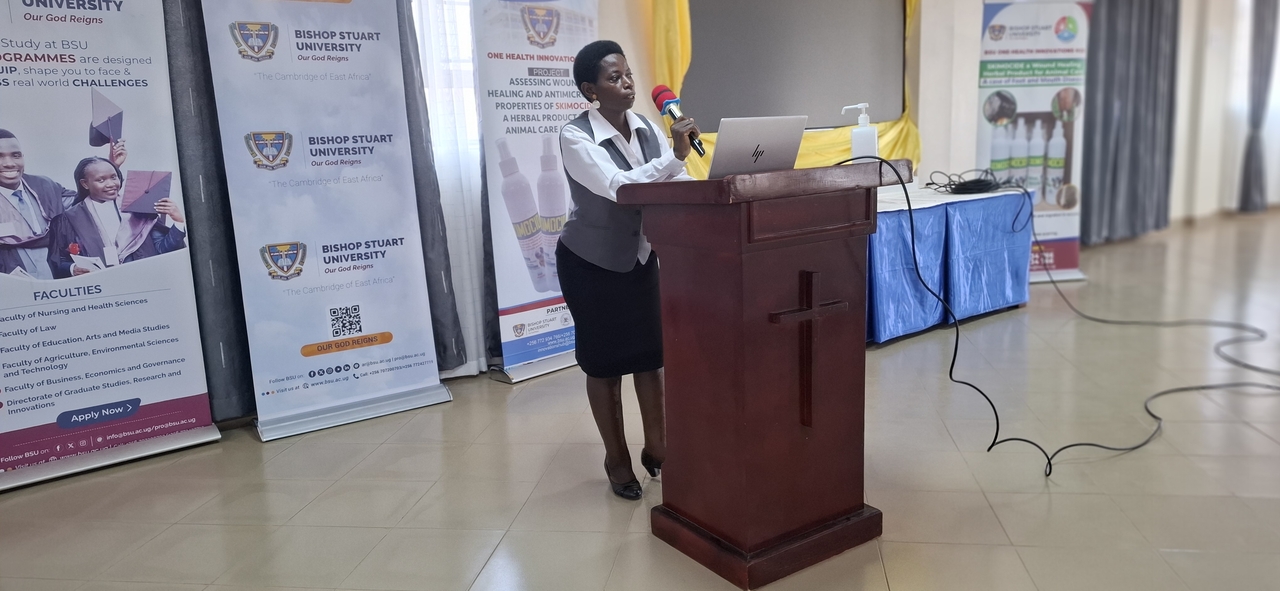
The herbal drug, which is currently under scientific trial, has been developed under the leadership of Ms. Catherine Kiconco, the project’s Principal Investigator and an emerging voice in the university’s growing research on organic veterinary solutions.
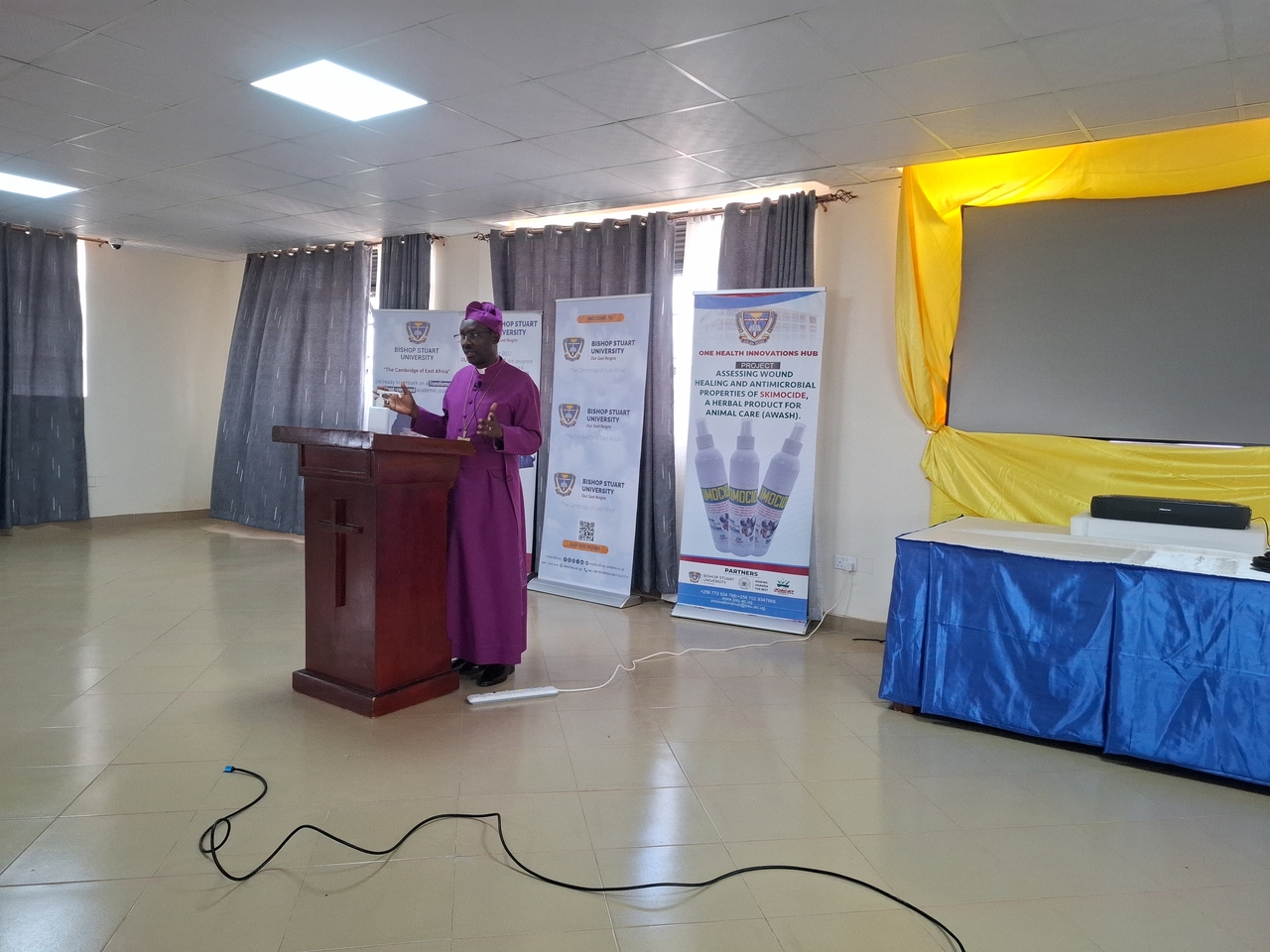
Speaking at the launch, the Chancellor, Rt. Rev. Assoc. Prof. Fred Sheldon Mwesigwa applauded Kiconco for her groundbreaking work. He described the innovation as a timely and practical response to the challenges faced by farmers, noting its potential to improve animal health, strengthen food security and uplift household livelihoods.
He also commended the Co-Principal Investigator and Vice-Chancellor, Prof. John F. Mugisha, for his unwavering support towards research and for fostering an environment where innovation is valued and nurtured.
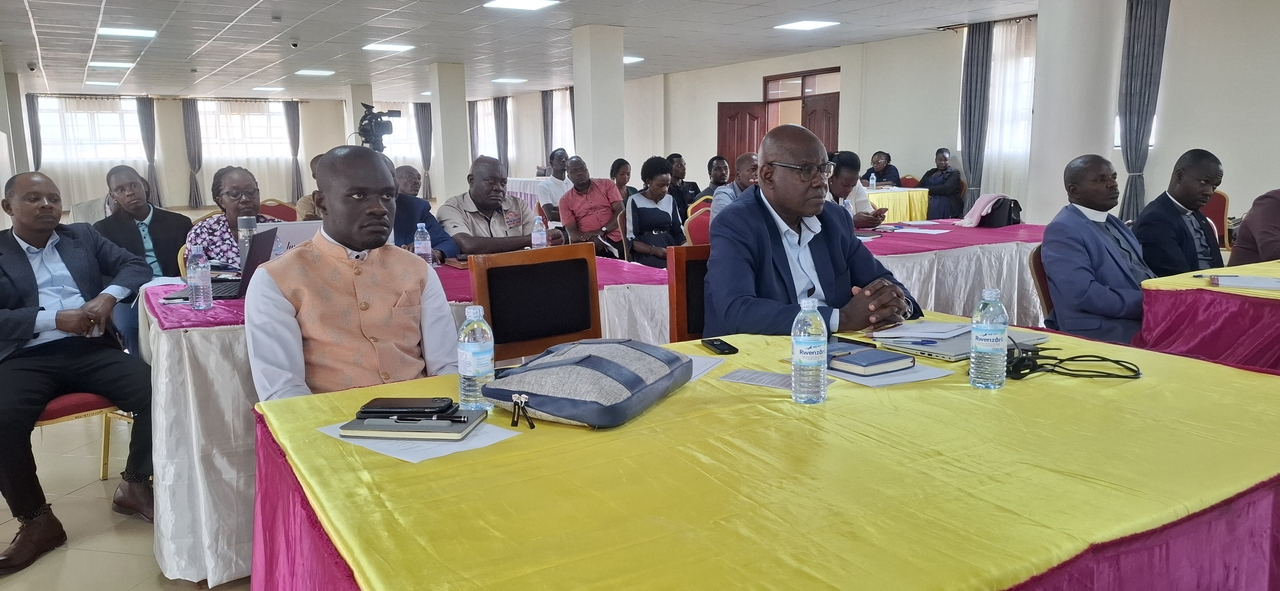
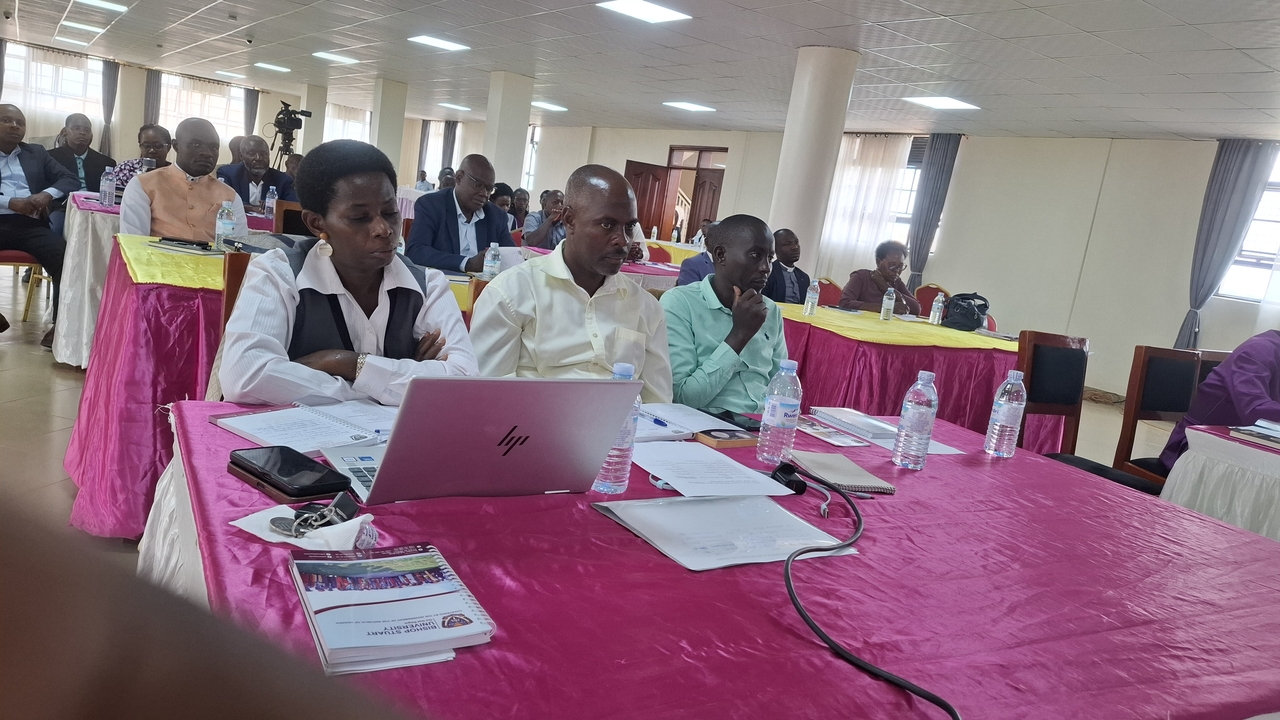
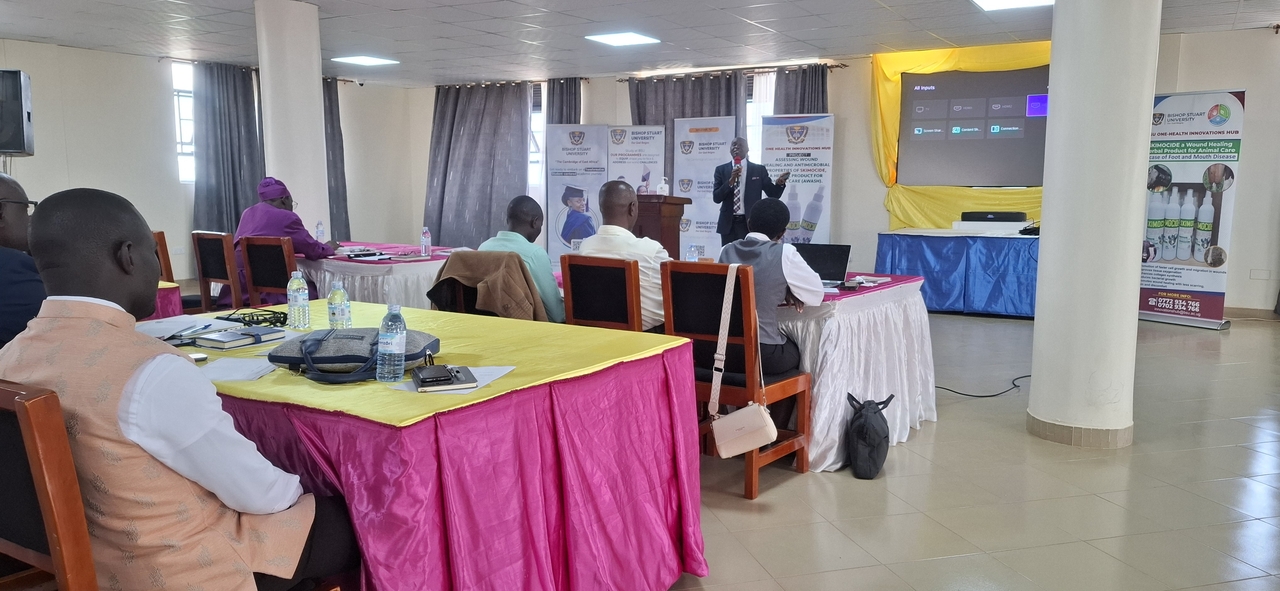
The launch attracted stakeholders, including District Veterinary Officers (DVOs), Chief Administrative Officers (CAOs), veterinary pharmacists, farmers and academicians from Mbarara, Kazo and Kiruhura. Participants expressed optimism that once fully approved, the herbal antibiotic will offer a cost-effective and accessible remedy for livestock farmers who continue to grapple with several skin conditions, including recurrent FMD outbreaks.
In his remarks, Prof. Mugisha reaffirmed BSU’s commitment to home-grown solutions that address agricultural and veterinary challenges across Uganda. He emphasized that the university is intentional about producing graduates who are transformed and who, in turn, will transform their communities.
He noted that this veterinary herbal antibiotic is the first of its kind in Uganda, outside of traditional Ayurvedic medicine systems and is safer, more affordable and less demanding for local farmers. Prof. Mugisha further revealed that the university has dedicated funds to support researchers and innovators, adding that BSU is steadily positioning itself as a solutions-driven institution.
According to Ms. Catherine Kiconco, the herbal formulation is part of a broader effort to advance complementary and alternative veterinary medicine in Uganda. She highlighted SKIMOCIDE locally made product, as an example of the growing potential of indigenous innovation.
The AWASH project is funded by the Science, Technology and Innovations Secretariat (STI-OP) of Uganda.