

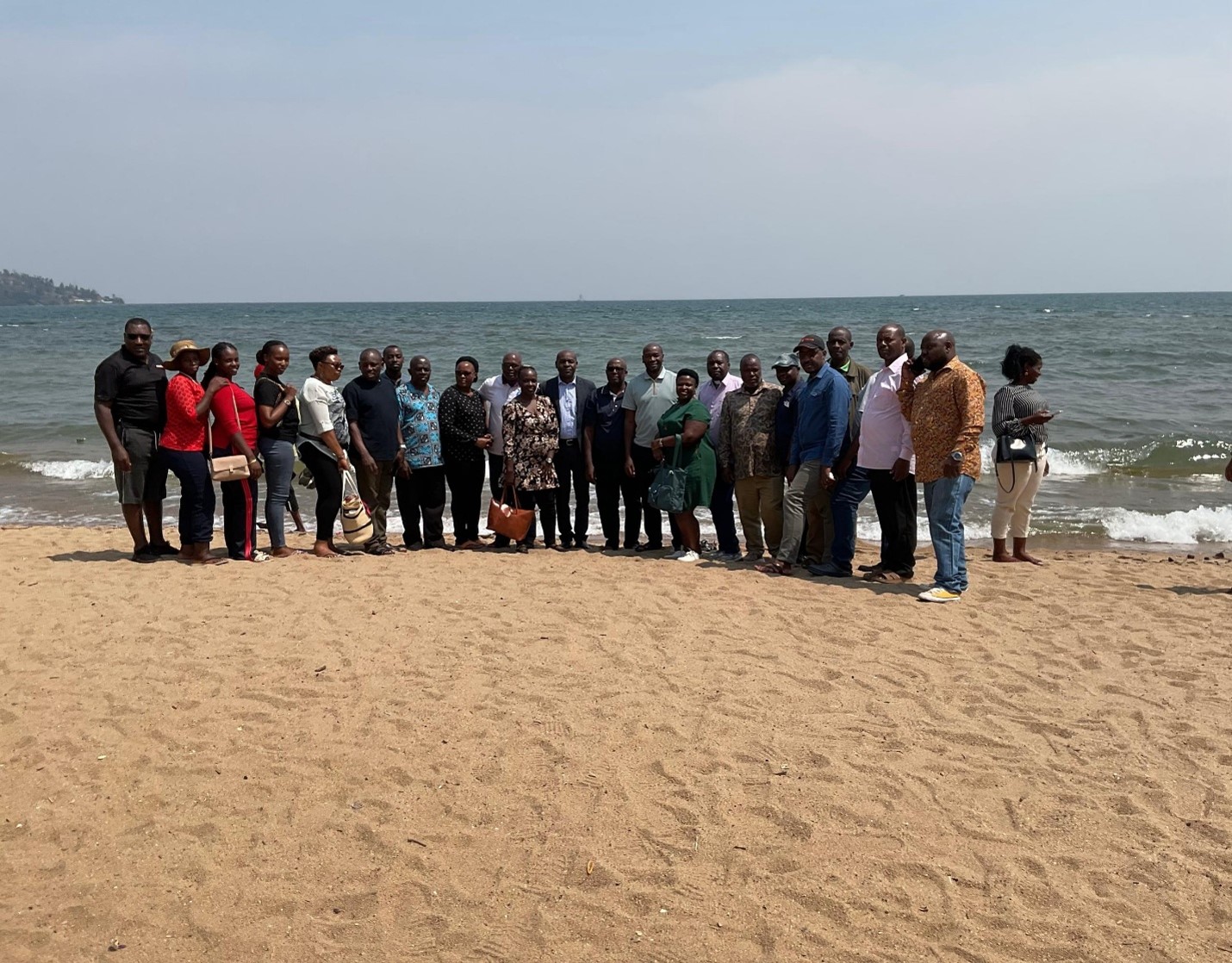
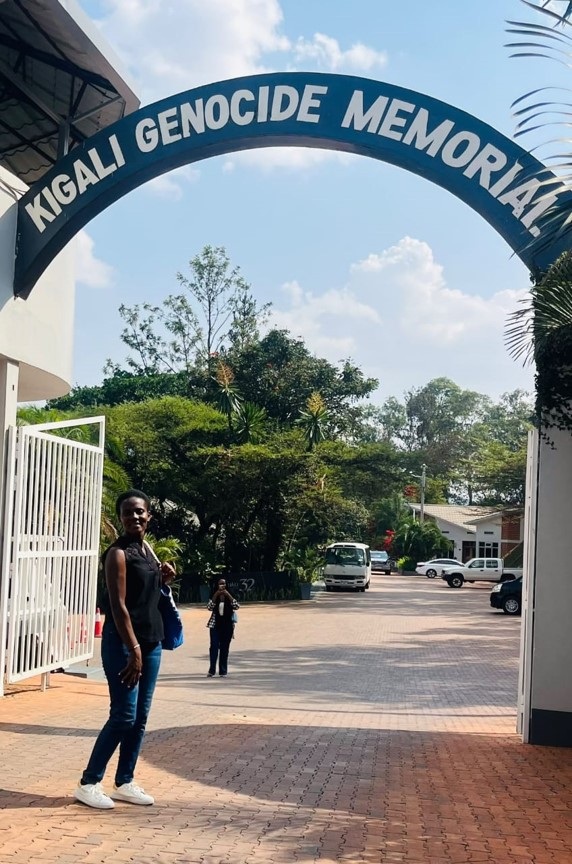
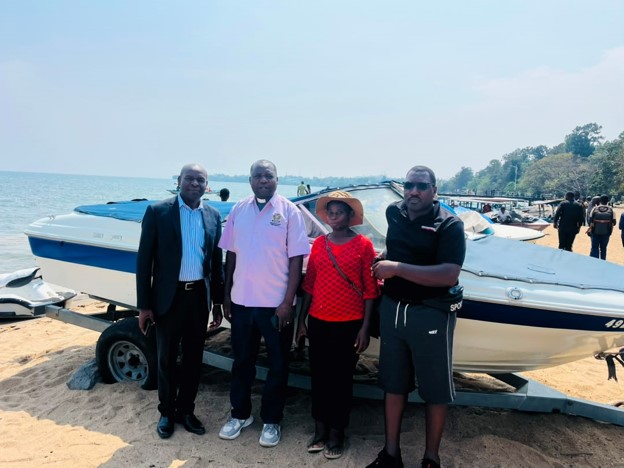
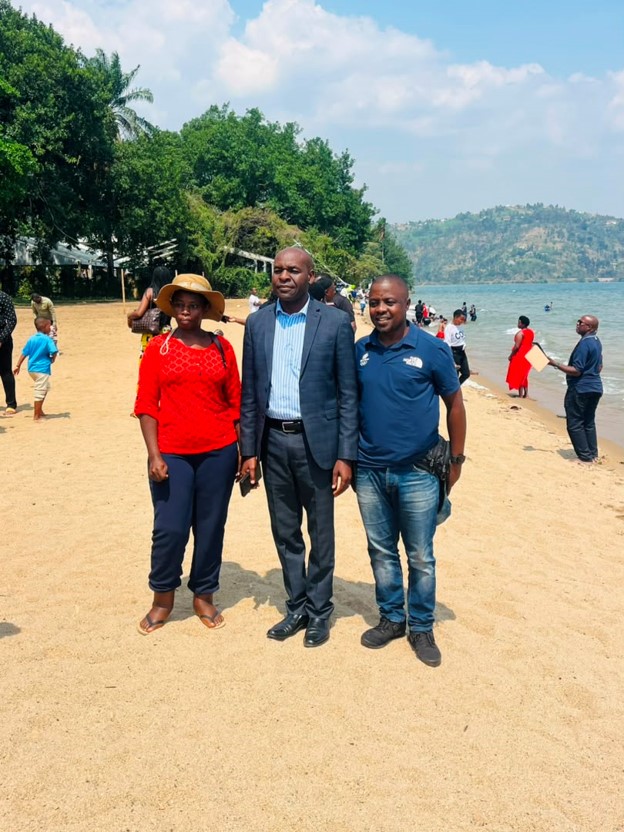
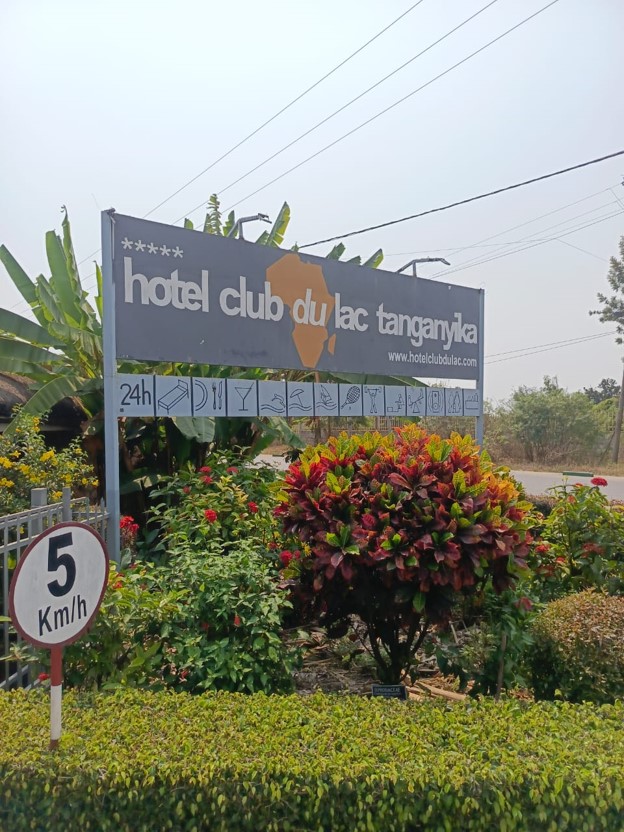
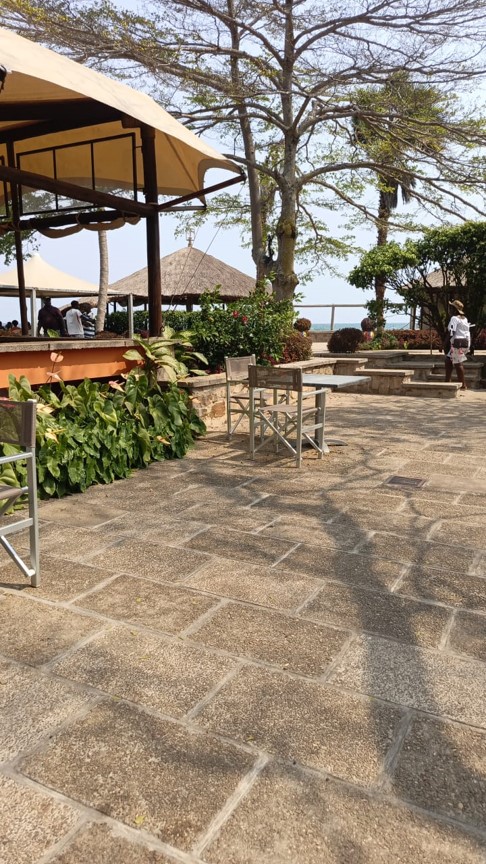
Some journeys merely change our geographical locations, and there are journeys that quietly change the way we see people, institutions and the world. From 3rd to 8th August 2026, staff of Bishop Stuart University (BSU) undertook an enriching cross-border journey from Uganda through Rwanda, Tanzania and Burundi. What began as physical movement across four East African countries gradually unfolded into a practical classroom of internationalization, cultural learning, teamwork, resilience and global citizenship. For the six days, borders became more than immigration points, currencies became more than money, food became more than nourishment, and roads became more than routes to destinations. Each experience carried a lesson. In many respects, the journey demonstrated that internationalization is not only achieved through formal partnerships, memoranda of understanding and international conferences; it is equally nurtured when members of a university community encounter other societies, systems and cultures and return home with broadened perspectives. Bravo to BSU management for supporting this noble cause.
Crossing international borders immediately exposed the staff to one of the fundamental realities of international mobility: every country has procedures, standards and requirements that visitors must respect. At every point of entry and exit in Rwanda, Tanzania and Burundi, each member of staff underwent the required immigration checks. Travel documents were examined, luggage and travellers were subjected to the applicable procedures, and immigration requirements had to be met before the journey could continue. Experience became a practical lesson in preparedness, patience and respect for national sovereignty. The staff had travelled with the necessary documentation and complied with immigration requirements in each of the four countries. The experience reinforced an important principle of internationalisation: global mobility comes with both opportunities and responsibilities. A global citizen must be willing to enter another country not merely as a visitor, but as a respectful guest who understands and observes its laws and procedures.
The journey also became an unexpected lesson in international finance and personal budgeting. Moving from Uganda into Rwanda, Tanzania and Burundi meant entering different monetary environments. Uganda shillings were exchanged into Rwandan francs, Tanzanian shillings and Burundian francs, requiring staff to transact in three different foreign currencies within a relatively short period. With every border crossing came another mental calculation: What is this amount worth in the currency of the country we have just left? What does it translate into in Uganda shillings? gradually, staff became increasingly confident in converting Burundian francs into Tanzanian shillings, comparing these with Rwandan francs and eventually translating expenditures back into Uganda shillings. What might appear to be a simple act of buying food, accommodation or another necessity therefore became an exercise in exchange-rate literacy and financial discipline. International travel demands not only money, but the ability to understand the value of money across borders.
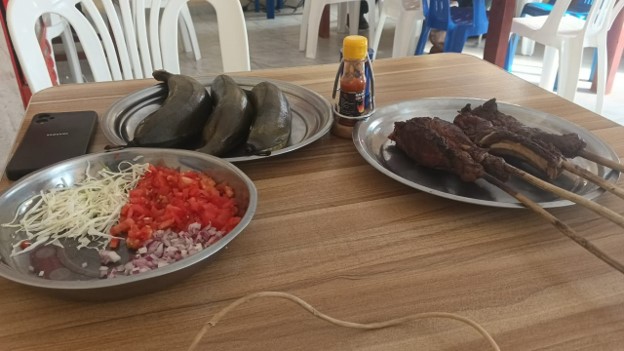
Perhaps one of the most remarkable aspects of the journey was the flexibility, resilience, and patience demonstrated by the staff. Once in another country, one has to balance culture, food, accommodation and general lifestyles. Long-distance travel naturally brings fatigue, uncertainty and moments of feeling insecure, while being curious to go on adventures. The staff in most cases let go of their personal preferences to give way to collective convenience. At immigration points, staff patiently joined long queues with their luggage as they waited for entry and exit clearance. At mealtimes, the team sampled the different foods available in the countries visited, adapting to how and where meals were prepared and served. Such experiences demonstrated an important intercultural competency: the ability to enter another environment without expecting it to reproduce the comforts and routines of home.
The roads themselves became another classroom. Travelling across the four countries required adherence to different road traffic practices and terrain. The team navigated long highways, unfamiliar routes and sharp corners while observing the relevant traffic regulations, including driving on the appropriate side of the road; left or right, depending on the particular country’s policy. This deserves recognition of the bus drivers, whose experience, alertness and professionalism contributed greatly to the safety of the entire team. Many thanks to Rev. Wilson Mugisha, whose calm interpretation for our drivers and respectful engagement with traffic officers helped ease communication and kept the journey moving smoothly. We were consistently praying and trusting in God to lead us to the next destination; indeed, HE did; our God Reigns.
The journey also had moments of entertainment to keep the travellers refreshed. At times, the bus became more than a means of transport; it turned into a moving social space filled with storytelling, humour, music and shared laughter. Colleagues exchanged seats, interacted beyond their usual professional circles and created memorable moments together. I am sure that these lighter moments will strengthen the staff bonds. For that matter, a meaningful journey is not only about the destination and lessons learnt, but also about the fellowship and memories created along the way.
Beyond passports, currencies and roads, the golden thread that continuously wove the journey was teamwork. Before departure, team leaders clearly oriented staff on the importance of moving in groups and avoiding unnecessary isolation while outside Uganda. Special thanks go to the organising team led by Philemon Ahabwe, who became a compass for the team throughout the journey. What initially sounded like routine travel instruction soon proved extremely physically valuable. As the team moved beyond Uganda, several staff members experienced difficulties with telephone connectivity and internet access. Consequently, colleagues became one another’s communication networks, guides and safety systems. The bus was consistently designated as a common convergence point, giving everyone a known location to return to before departure.
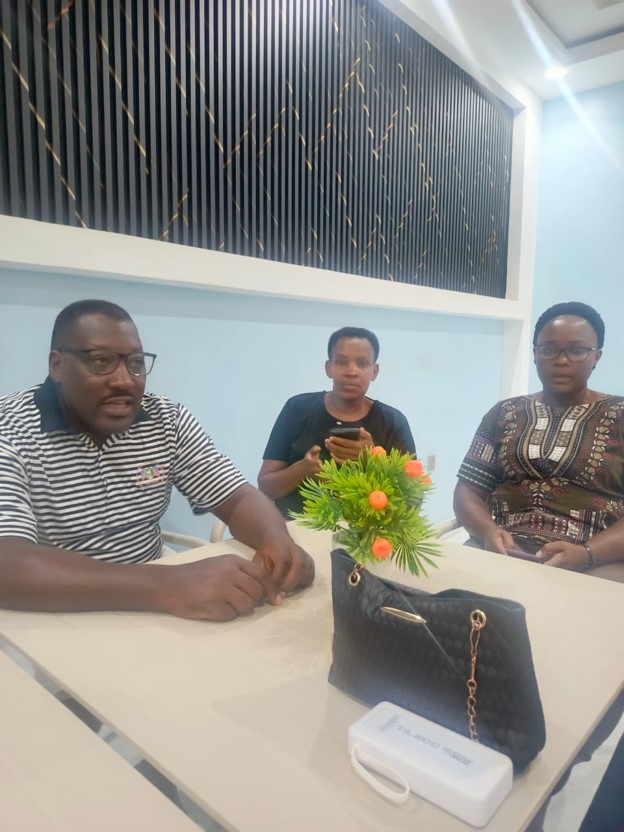
Important announcements and instructions were always communicated within the bus, and members made genuine efforts to observe them. The principle was simple but powerful: when technology becomes silent, teamwork must continue speaking. I personally experienced the importance of this principle while we were in Bujumbura, Burundi. At one point, I was uncomfortable with the rooms that had initially been shown to us for accommodation. My immediate instinct was to walk back to where the bus was parked, collect my luggage and independently search for another place to stay.
It was already dark. The team leaders firmly advised me not to walk back alone. Instead of dismissing my concern, they provided a safer alternative. They arranged a taxi and accompanied us to another hotel they had identified. Their advice was that I should first inspect the rooms; if I found them suitable, the same taxi would take me back to the bus to collect my luggage and return me safely to the hotel. I listened. The arrangement worked exceptionally well. The rooms were comfortable, and when I eventually returned to the bus, I discovered that several other colleagues were also searching for accommodation. I came back with a much larger group in the taxi, and together we settled at the hotel. That small episode carried a large lesson: sometimes wisdom is not found in insisting on one’s independence, but in recognising when to listen to the collective experience of the team.
The episode reminded me that a strong institution is like a caravan crossing unfamiliar territory. Individual travellers may carry different luggage, occupy different seats and have different preferences, but their safety and progress depend on their willingness to remain connected. The journey repeatedly demonstrated that teamwork is not simply about completing tasks together. It includes watching over one another, sharing information, accepting guidance, adjusting personal preferences and recognising that another colleague’s vigilance may protect us from a risk we have not yet seen. In this regard, the BSU staff did not merely travel as colleagues; they increasingly travelled as a community. To me, this is a truism as far as a Christian University is concerned.
The journey also taught us that international exposure is not always wrapped in comfort; sometimes, the lesson arrives through uncertainty, fatigue and improvisation. At different points, some staff ate from street food vendors, while others experienced long and unexpected searches for accommodation. Rev. Dr. Judith Arinaitwe, for instance, sat by the roadside until about 4:00 a.m. as she waited to secure accommodation, while some colleagues were even awakened by police during the night to show their travel documents. In those moments, one could almost call the travellers the “Gummites of today”. Comfort became secondary to purpose, and every inconvenience became another lesson in resilience. Language presented another classroom of its own.
Interpretation and translation were sometimes difficult, particularly during mealtimes, and when words failed, the staff started using signs and gestures as a shared language. This means that communication can travel even where vocabulary cannot. Amid these challenges came moments of humour and cultural discovery. Staff were particularly amused to learn that in one of the countries, black tea was referred to as “chai ya langi”-literally understood as “tea of colour”; a phrase that immediately resonated because langi means “colour” in one of our familiar local languages. Such seemingly small encounters made the journey memorable and demonstrated that intercultural learning often happens in the most ordinary moments: at a roadside, around a meal, in search of a room, or through a word that unexpectedly sounds like home.
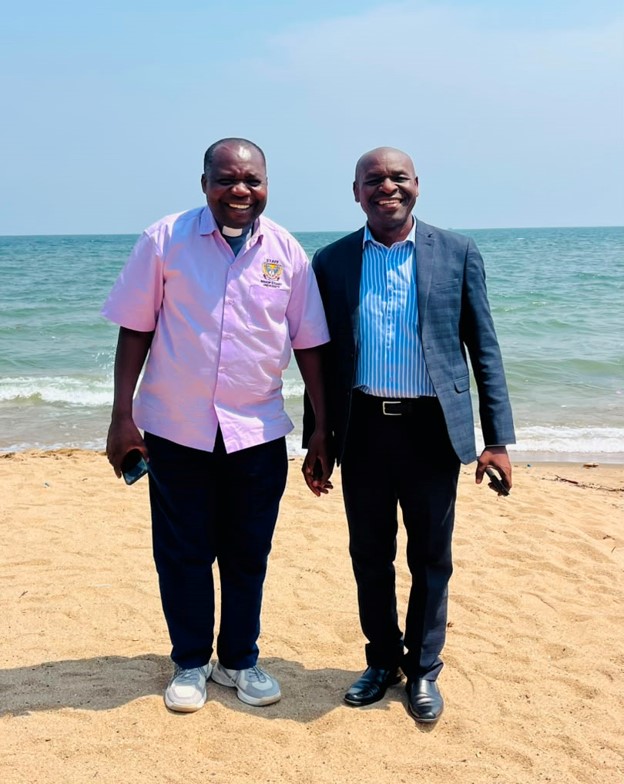
As the journey approached its conclusion, the Vice-Chancellor of the University, Prof John F. Mugisha, joined the team on Friday and the staff had the privilege of sharing dinner with him at Elikapeka Kiyovu Hotel in Kigali; the true example of servant leadership, which encouraged and motivated the team further. Great thanks to Prof John F. Mugisha. His reflection transformed the accumulated experiences of the previous days into a deeper intellectual lesson. In explaining the relevance of travel, the Vice Chancellor referred to three reasons associated with Mother Teresa: travelling enables us to understand God, understand people and understand the world. He concluded by capturing the spirit of the entire journey: “Travelling is not just movement.
It is education.” After several days of border crossings, changing currencies, meeting different people, eating unfamiliar foods, negotiating roads, observing different systems and depending upon one another, those words carried weight. Indeed, we moved geographically, but more importantly, we learned. Travel teaches differently from a classroom. A lecturer may explain cultural diversity, but travel allows a person to live practically within it. A textbook may describe exchange rates, but standing in a foreign country with unfamiliar notes in one’s hand makes the concept immediate. A seminar may discuss immigration systems, but joining a queue at an international border gives the subject a human face. Leadership literature may emphasise teamwork, yet having colleagues stop you from walking alone through an unfamiliar city after dark turns teamwork into valid lived experience. In this sense, the journey affirmed that some lessons enter the mind through reading, while others enter through experience.
Across the border, another lesson waits,
Beyond the familiar, another world speaks.
We travel with passports in our hands,
But return with wider maps in our minds.
Several important lessons therefore emerged from the journey
- Adequate preparation of travel documents before an international journey is indispensable. Proper documentation facilitates smoother immigration processing and reduces unnecessary delays. Moreover, one needs to do thorough preparations, including some consultations and collaborations.
- An international traveller should have a reliable contact person in the destination country. Immigration officials may require clear information regarding where a visitor is going, where they will stay and whom they intend to contact; in some circumstances, officials may verify this information directly with the contact person. International travel should therefore never be approached casually or anonymously. In our case, allow me to appreciate Professor Ezekiel Sekibibi, our staff member who lives in Kigali. He made sure that we were safe during all the days we were in his country.
- Travellers must develop cultural adaptability, including a willingness to eat available local foods and respectfully engage with different lifestyles and practices.
- Adequate financial preparation is essential. Travellers should carry sufficient funds, understand applicable exchange rates and continuously monitor expenditure against their budgets.
- Teamwork that is if you are moving as a group and adherence to travel guidance are fundamental to both security and successful group mobility.
For Bishop Stuart University, however, the lessons extend beyond the individuals who travelled. Such journeys have important implications for the University’s broader internationalisation agenda. Internationalisation becomes meaningful when staff are progressively exposed to regional and global environments and can translate what they observe into institutional learning. Exposure to neighbouring countries helps staff appreciate differences in systems, infrastructure, service delivery, culture, mobility, communication and institutional practices. It challenges assumptions formed within one’s home environment and stimulates questions about what might be adapted, strengthened or approached differently at BSU. The journey therefore served not simply as travel across East Africa, but as an opportunity for benchmarking through observation, experiential learning and regional engagement.
In this regard, BSU Champions responsible for the different Strategic Goals are encouraged to participate in similar exposure opportunities whenever feasible. Strategic plans are implemented more effectively when the individuals responsible for them are able to look beyond institutional boundaries, observe other contexts and return with practical insights. Exposure widens imagination. A champion who sees how another institution, city, or country approaches a challenge is better positioned to interrogate existing practices at home and identify possibilities for improvement. International and regional mobility should therefore be understood as part of institutional capacity development rather than merely an extracurricular activity. The beauty of exposure is unbeatable.
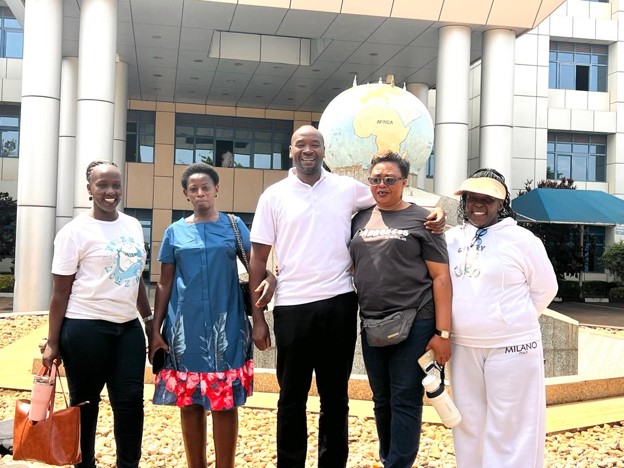

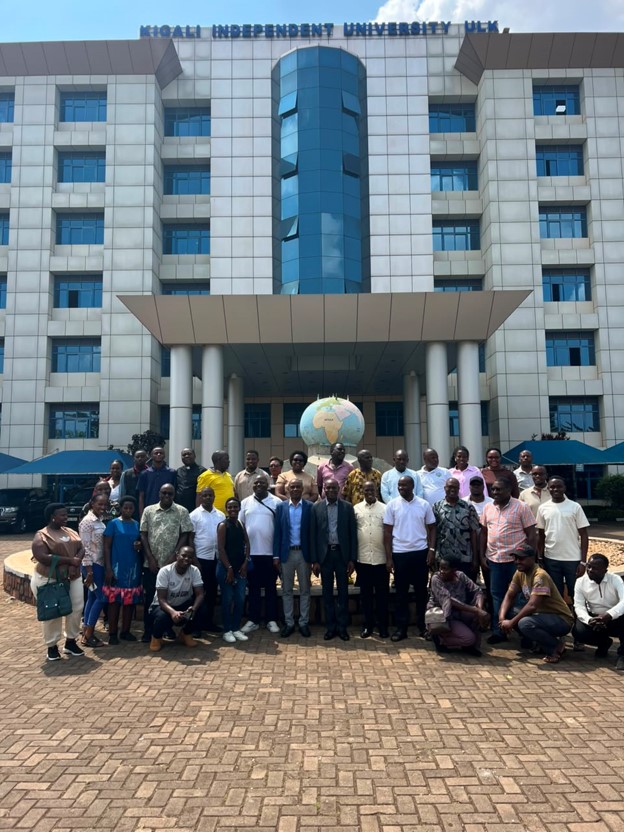
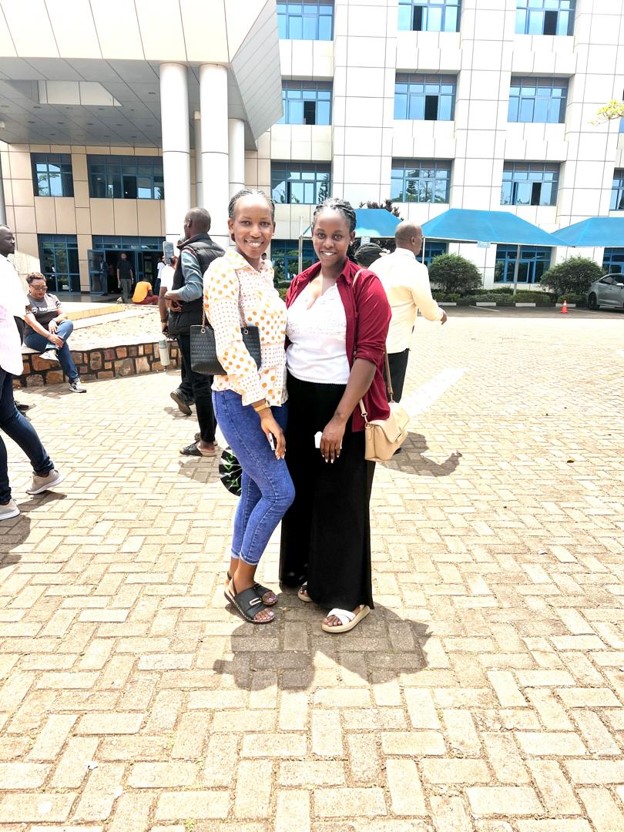

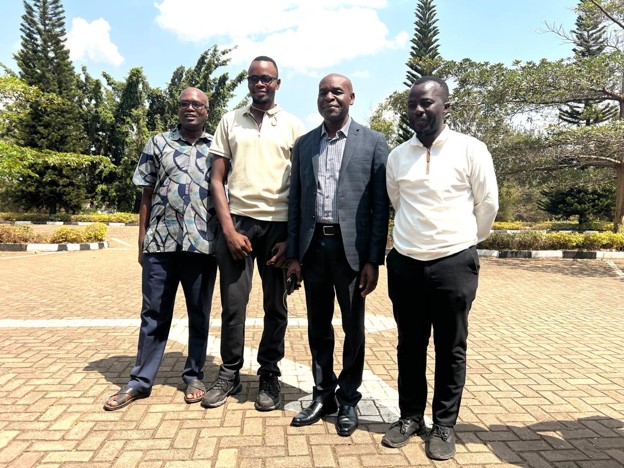
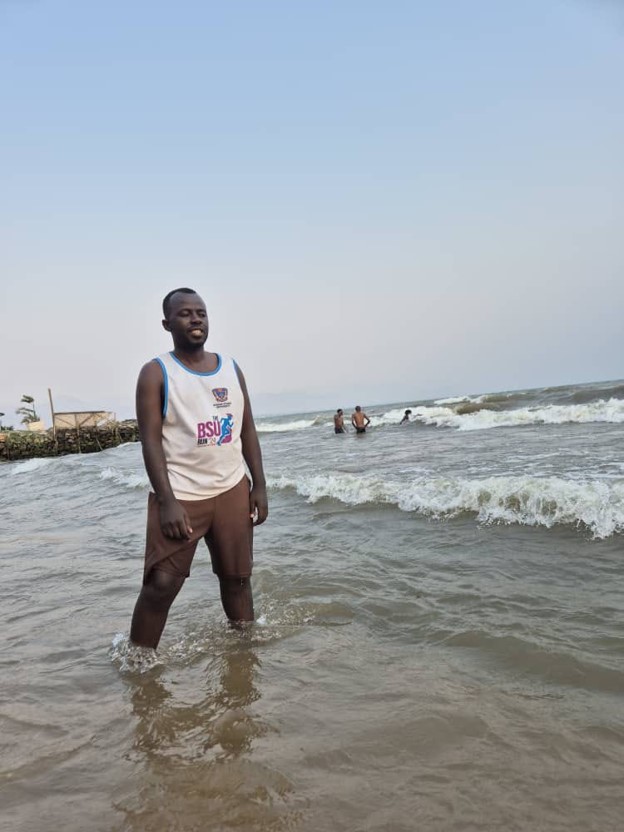
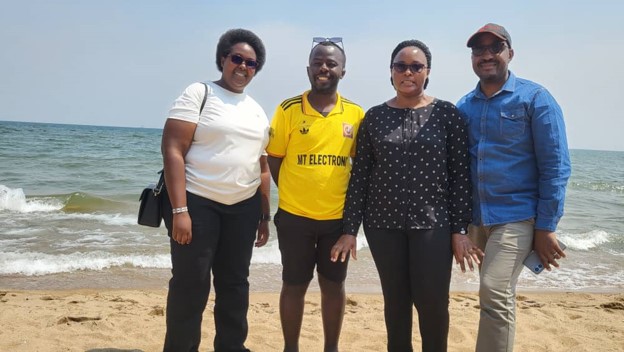
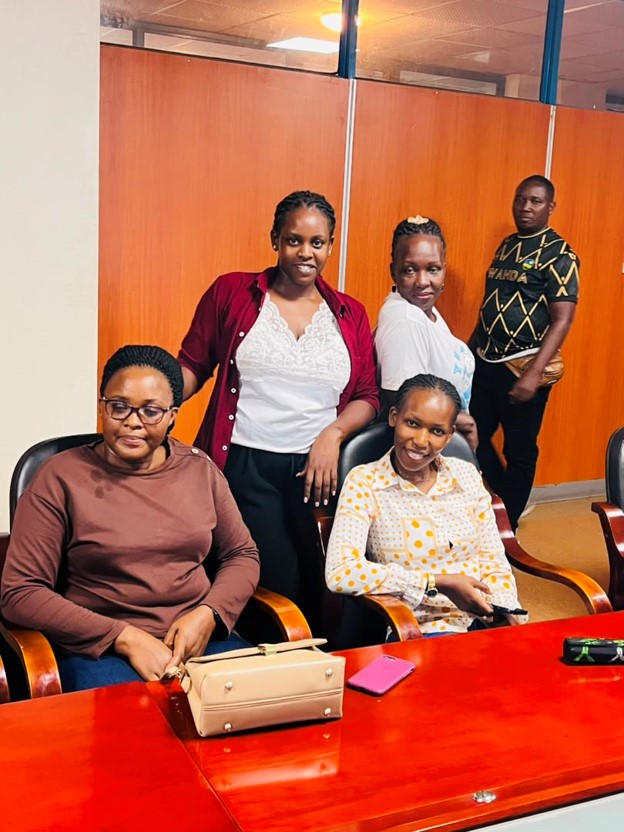
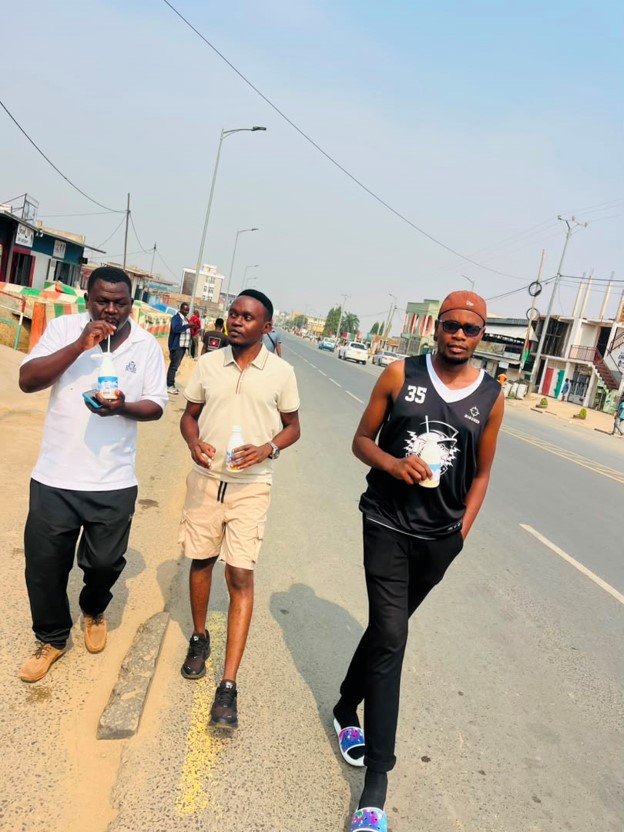



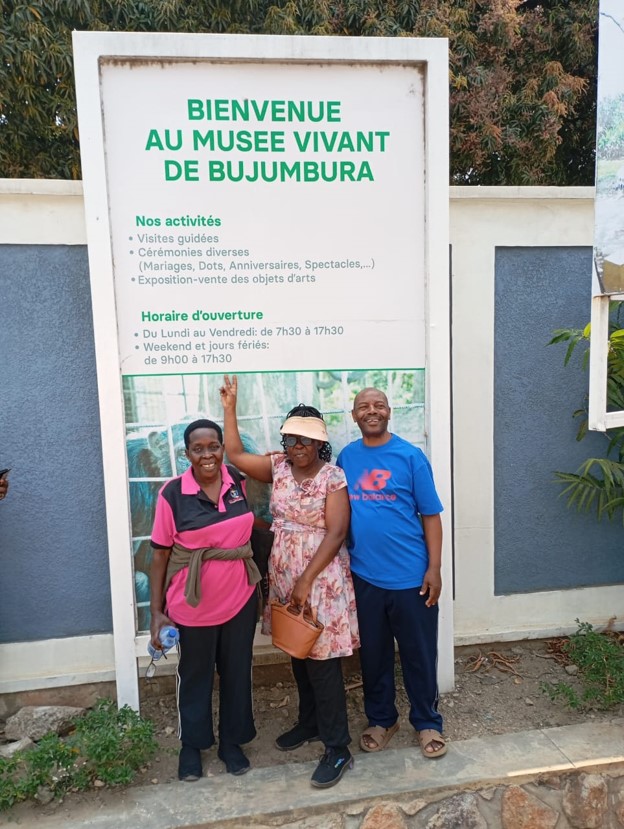
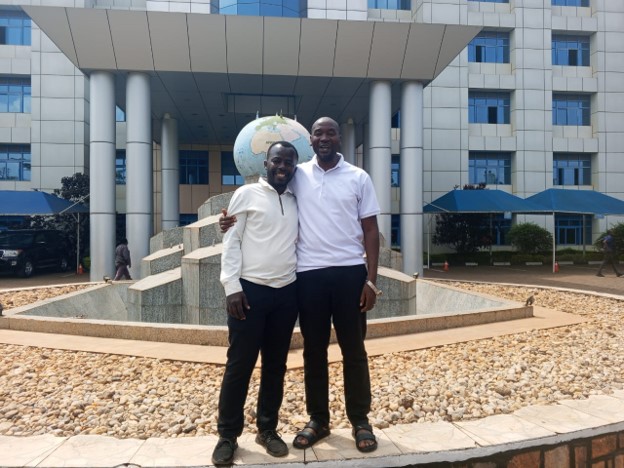

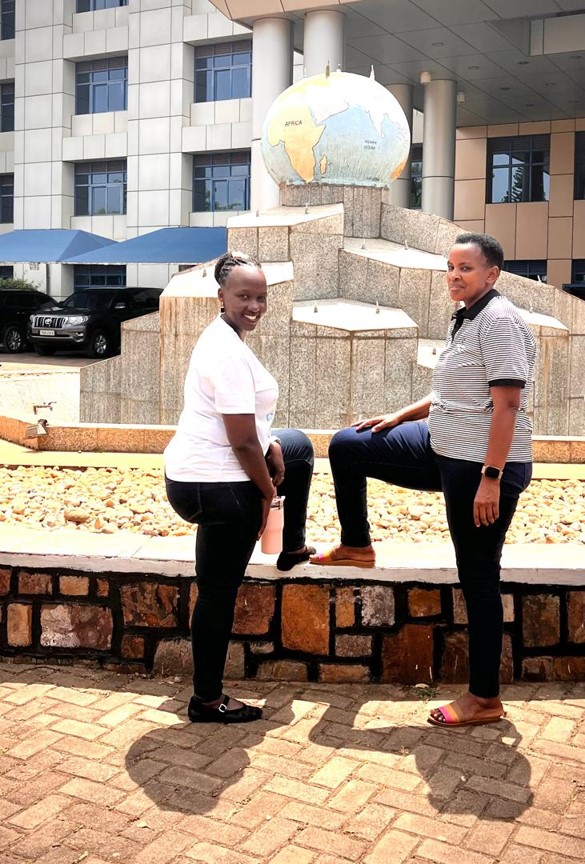
Ultimately, the journey from Uganda through Rwanda, Tanzania and Burundi reminded me that internationalization begins with crossing intellectual borders even before crossing geographical ones. Passports permitted us to cross national boundaries, but curiosity enabled us to learn; money enabled transactions, but financial awareness preserved our budgets; the bus transported us, but experienced drivers kept us safe; instructions guided us, but teamwork held us together. We travelled as ambassadors of BSU, guided by its core values and mindful of the responsibility of representing the institution beyond Uganda’s borders. God reigned over us and granted us a safe return journey. We came back not only with broader regional knowledge and experience, but also with renewed appreciation that our university values guided our conduct and God’s grace carried us throughout the journey.
If universities are places where the world is studied, then internationalization challenges us to occasionally step beyond the university gates and allow the world itself to become our classroom. Our six-day journey across Rwanda, Tanzania and Burundi was one such classroom. Its walls were borders, its textbooks were people and cultures, its calculations were currencies, its practical examinations were patience and resilience, and its greatest lesson was beautifully summarized by the Vice Chancellor: travelling is not merely movement; travelling is education.
Compiled by Donath Asiimire (PhD)
Senior Lecturer and Internationalization Champion, BSU.